History & Features Timeline
Pete Holder curates a selection of features, articles and reference material about antique American firearms - a mixture of original writing, collected chronology, and longer-format research. Below is a timeline-style selection of highlights with links to read more or view resources.
Use this page as a starting point for exploring antique American firearms - key periods, notable makers, and the stories that shaped them. Each entry links to a longer feature or reference, with practical notes on identification, condition, and provenance along the way.
If you’re researching a specific model, maker, or era, the articles below provide starting points and references you can follow in more depth. New items are added as material becomes available.
Featured Items
A concise chronology of Samuel Colt's life and the development of Colt firearms. Pete links to deeper resources and a downloadable PDF for collectors and researchers.
Date: 1846 — Download PDF
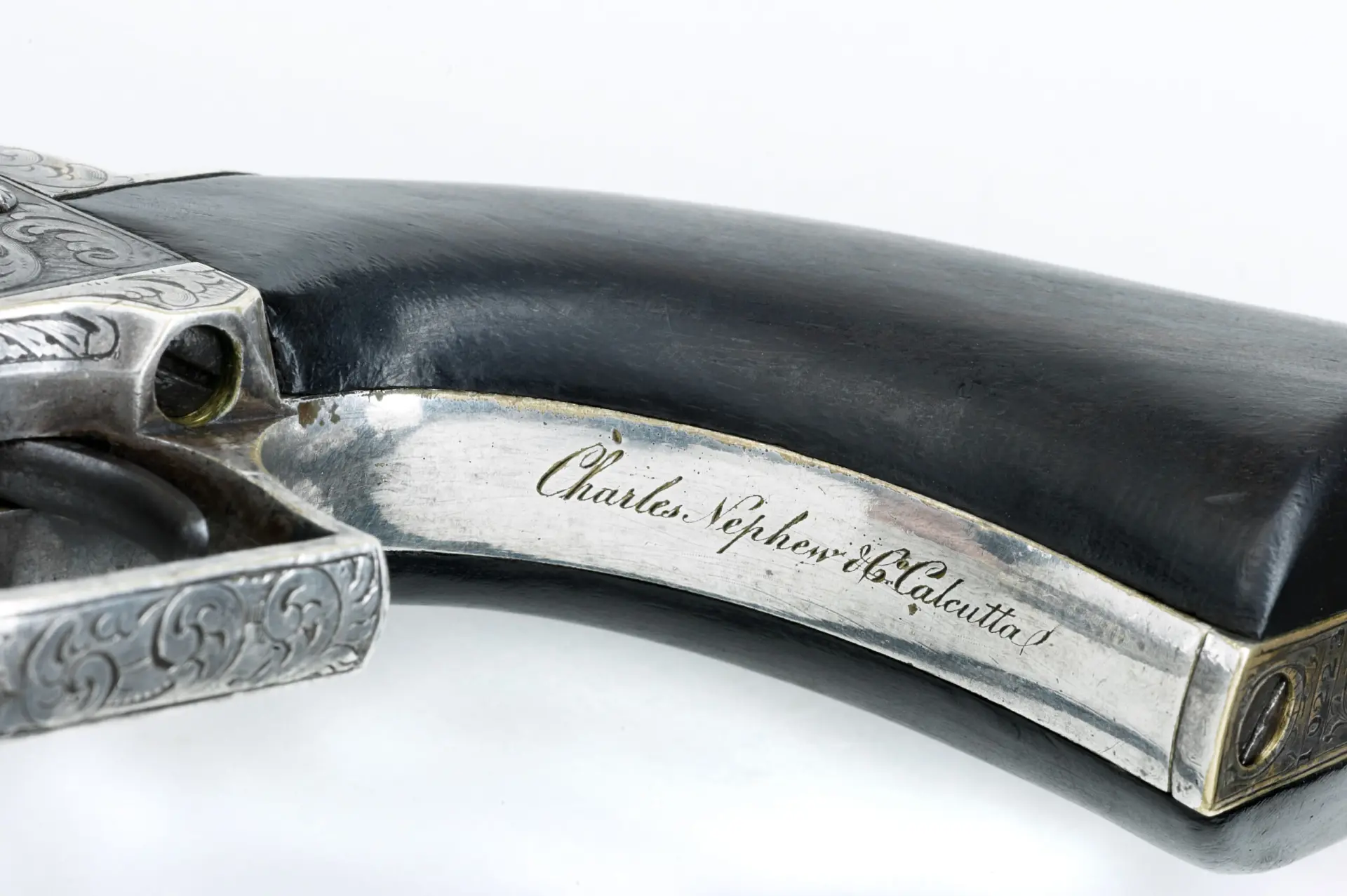
This article explores a noteworthy figure and the firearms associated with him, tracing battlefield service and collector interest. Pete's summary places the material in historical context and assesses how condition and provenance affect value.
Date: 1851
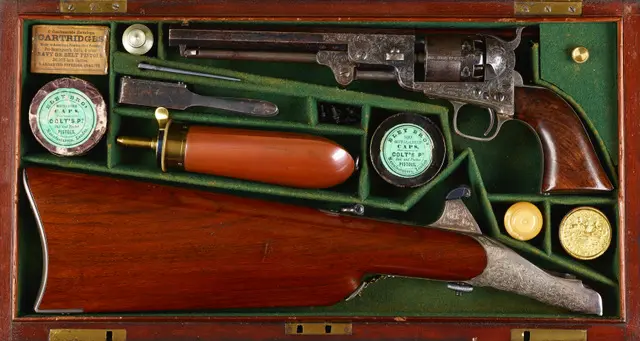
Pete's essay examines the dual role of firearms in conflict and peacetime collecting. It discusses how collectors balance historical significance with condition when assessing items for acquisition or sale.
Date: 1851
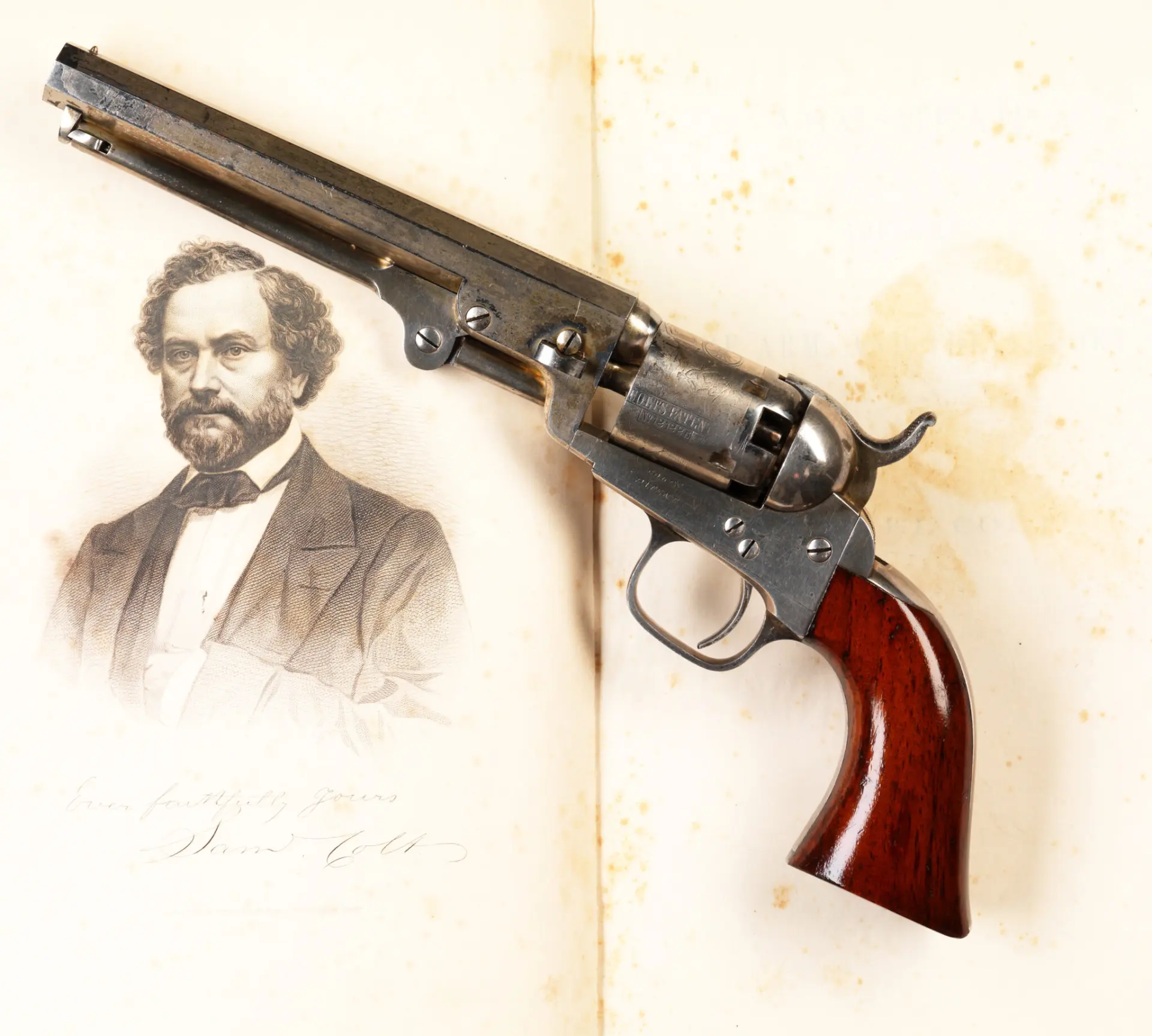
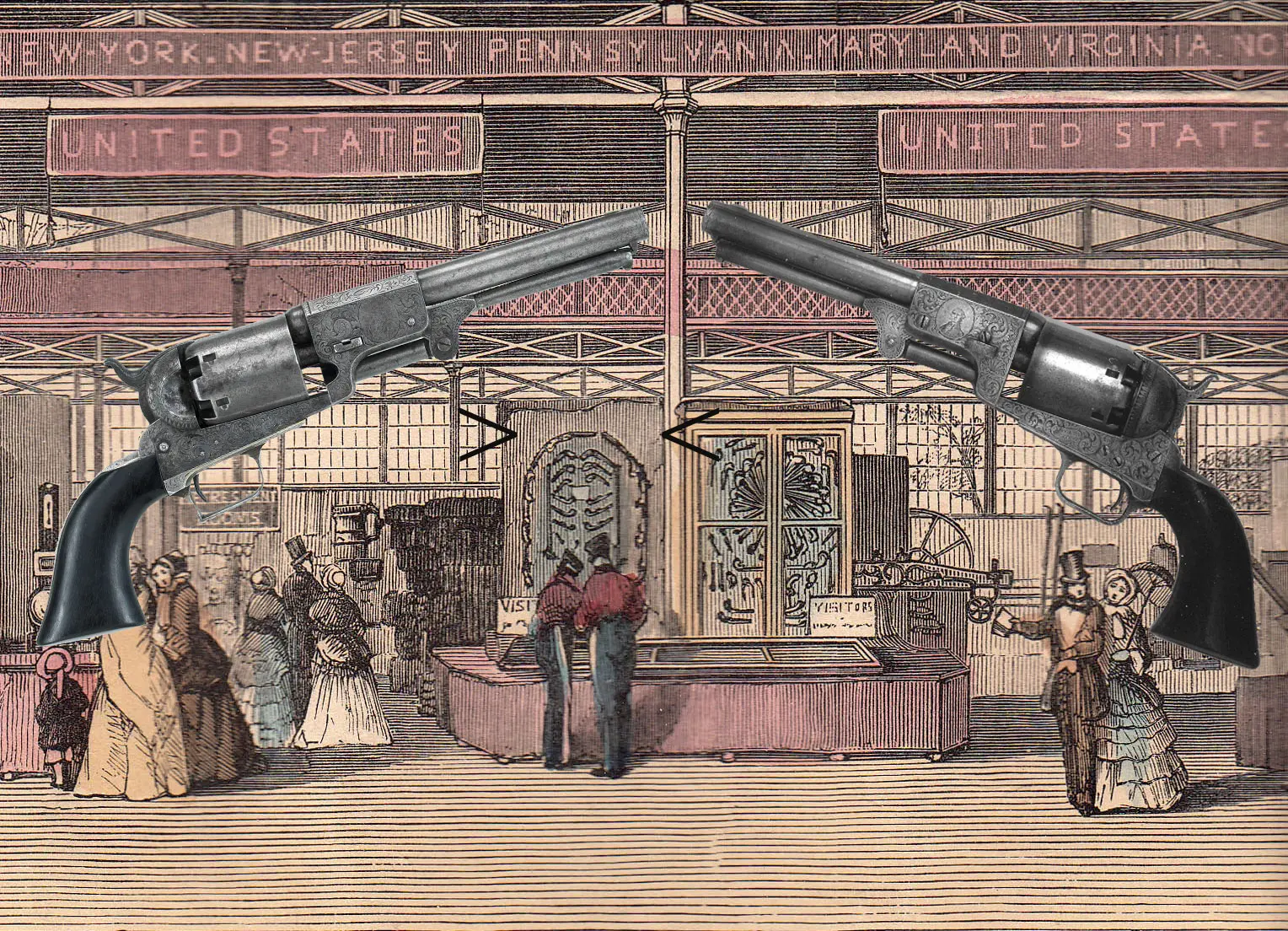
Pete presents a focused feature on the Colonel's Room - a display of significant American military and civilian arms. The piece highlights provenance notes, notable examples, and collecting advice for similar pieces.
Date: 1900
Video & Media
Available Talks & Clips
A selection of talks and clips related to antique American firearms, collecting, and research.
Samuel Colt
A filmed talk discussing key Colt dynasty highlights.
Collector's Lecture
Insights into provenance and market trends for American arms.
Feature Interview
An interview exploring collecting practice and notable pieces.
The Golden Age
of American Firearms
Following independence, American gunsmiths began forging their own identity. Kentucky and Pennsylvania long rifles emerged as distinctly American creations, prized for their accuracy and craftsmanship.
These flintlock arms represented a break from European traditions and laid the foundation for what would become a uniquely American firearms industry.
The Percussion Era 1830 - 1860
The adoption of the percussion cap revolutionised American firearms. Samuel Colt's revolver patents transformed both warfare and civilian self-defence.
While makers like Remington, Smith & Wesson, and countless regional craftsmen created arms that would see service in westward expansion and the conflicts that defined a nation.
No period produced more variety or innovation than the American Civil War. From Spencer repeaters to Sharps carbines, Henry rifles to Colt revolvers, the conflict accelerated firearms development dramatically.
Arms from this era remain among the most sought-after by collectors for their historical significance and mechanical ingenuity.
The Cartridge Age 1865 - 1899
The post-war period saw the transition to metallic cartridges and the iconic arms of the American frontier. Winchester lever-actions, Colt Single Action Army revolvers, and Springfield trapdoors became the tools that shaped the West.
These firearms mark the end of the antique era and remain enduring symbols of American history.
Each antique American firearm tells a story - of the craftsman who made it, the hands that carried it, and the moments in history it witnessed. Understanding these arms means understanding America itself.
Our Most Asked
Questions
Generally, “antique” refers to firearms manufactured before 1899, with earlier American flintlock and percussion arms forming much of the historical focus here. The site content also covers adjacent periods when it helps explain development, use, and provenance.
Start with markings and inspection stamps, lock and barrel characteristics, stock architecture, and any documented provenance. Small construction details (screws, sights, engraving styles, and wear patterns) often tell you more than a single maker’s name.
Provenance connects an object to people, places, and events; condition tells you how much of the original material and finish survives. Together they strongly influence historical significance, authenticity confidence, and market value.
We Are Here
For You
Looking for more detail on a maker, an era, or a specific piece in your collection? Pete welcomes enquiries from collectors and researchers and can point you to trusted references, historical context, and next steps for authentication or valuation. Send a note with photos and any provenance details and he’ll reply as soon as possible.